Professional Logo Design: How Great Brands Build Their Visual Mark
A logo is the single most concentrated expression of a brand. It is the first thing people see, the last thing they forget, and the element that appears on every touchpoint — from business cards to browser tabs. Yet despite its importance, logo design remains one of the most misunderstood disciplines in branding. Many businesses treat it as a quick exercise in aesthetics. In reality, professional logo design is a strategic process that demands research, conceptual thinking, and meticulous craft.
At bf agency, a brand identity studio based in Tallinn, Estonia, we approach every logo project as a design problem with a strategic solution. We do not decorate — we distil. Every mark we create carries meaning, works across contexts, and remains timeless as trends shift. This page explains our philosophy, our process, and what separates professional logo design from generic visual solutions.
What Makes a Logo Professional
The difference between a professional logo and a template-based mark is not just visual quality — it is strategic depth. A professionally designed logo is built on three pillars: meaning, versatility, and longevity.
Meaning. Every design decision should be intentional. The choice of typeface, the geometry of a symbol, the weight of a line — each element communicates something about the brand. A logo for a law firm should not feel the same as a logo for a wellness studio, even if both are minimalist. The meaning is embedded in the details.
Versatility. A logo must work at 16 pixels on a favicon and at 16 metres on a building facade. It must be legible in monochrome, on dark backgrounds, and when embroidered on fabric. Professional logo design anticipates every application from the start.
Longevity. Trends come and go. Gradient meshes, 3D renders, and animated wordmarks may feel modern today but dated tomorrow. The strongest logos are the ones that avoid stylistic trends entirely. They are built on timeless principles: proportion, balance, clarity, and restraint.
Types of Logos We Design
There is no single correct format for a logo. The right approach depends on the brand, the industry, and the competitive landscape. Here are the primary types we work with:
Typographic Logos (Wordmarks)
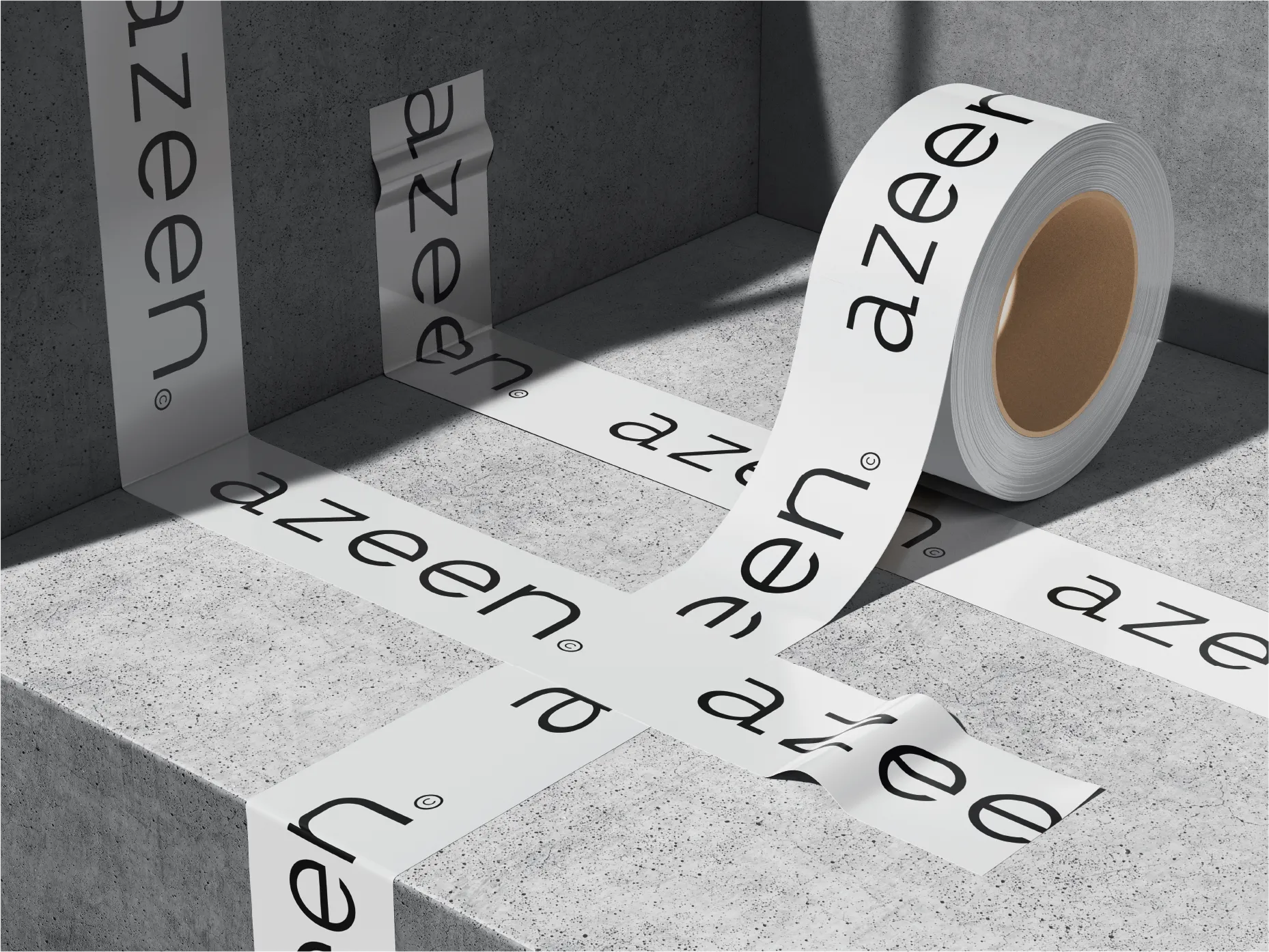
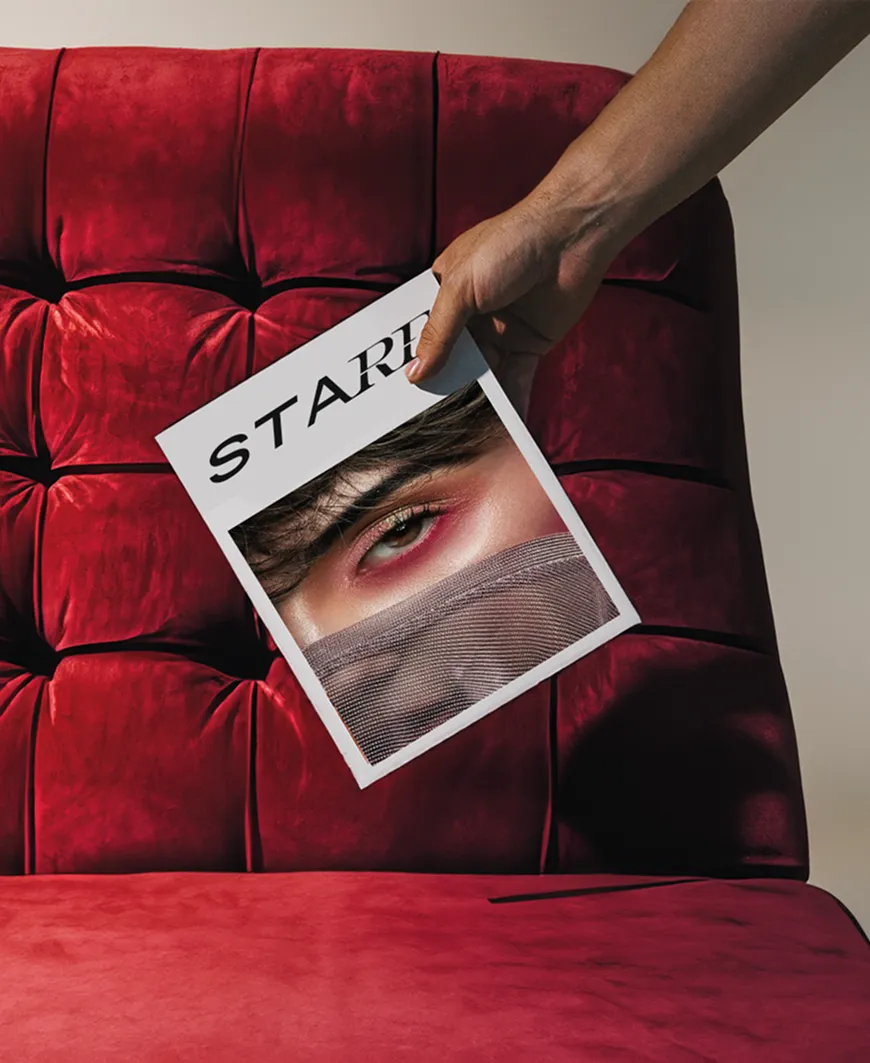
A wordmark is a logo composed entirely of the brand name, set in a custom or carefully modified typeface. This approach works best when the name itself is distinctive and memorable. Think of brands like Google, Visa, or Supreme — the typography is the identity. We often design custom letterforms from scratch, ensuring that every character is unique to the brand. No pre-existing fonts. No shortcuts. A bespoke typographic system that becomes the visual foundation of the entire identity.
Symbol Marks
A symbol mark is an abstract or pictorial icon that represents the brand without using the name. Apple, Nike, and Twitter have all achieved this — but it requires significant brand recognition to rely on a symbol alone. For newer brands, we typically recommend using a symbol alongside a wordmark initially, with the option to separate them as recognition grows.
Combination Marks
The most common and flexible approach: a wordmark paired with a symbol. This gives the brand both a standalone icon for small applications (favicons, app icons, social media avatars) and a full lockup for primary use. We design combination marks as integrated systems — the symbol and type work together, not as separate elements placed next to each other.
Lettermarks and Monograms
When a brand name is long or multi-word, a lettermark condenses it into initials. Monograms take this further by interweaving the letters into a single, unified form. This approach demands exceptional typographic skill — the letterforms must be balanced, legible, and visually distinctive at every size.
Our Logo Design Process
Every logo project at bf agency follows a structured process. This is not a rigid template — it adapts to the project — but the core phases remain consistent.
Phase 1: Discovery and Research
Before we sketch a single line, we need to understand the brand. This phase includes a detailed brief covering the business model, target audience, competitive landscape, and brand values. We conduct visual audits of competitors to identify patterns and opportunities for differentiation. We analyse the cultural and linguistic context — especially important for brands operating across Estonia, the Nordics, and the broader European market.
Phase 2: Concept Development
Armed with research, we develop three to five distinct logo concepts. Each concept explores a different strategic direction — not just different shapes, but different ideas. One concept might emphasise heritage and tradition. Another might focus on innovation and forward motion. A third might play with negative space or typographic contrast. This diversity ensures the client can evaluate fundamentally different approaches, not minor variations of the same idea.
Phase 3: Refinement
After the client selects a direction, we refine the chosen concept through multiple rounds of iteration. This is where the craft happens: adjusting letter spacing by fractions of a point, perfecting curve geometry, testing the mark at extreme sizes, and ensuring it works in every colour mode. We test the logo in context — on mockups of real applications like business cards, websites, signage, and packaging.
Phase 4: Delivery
The final logo is delivered as a complete file package: vector files in SVG and PDF, raster exports in PNG at multiple resolutions, monochrome versions, reversed-out versions for dark backgrounds, and a concise usage guide. If the project includes a broader brand identity, the logo files are integrated into the brand guidelines.
Logo Design Pricing: What Determines the Cost
Logo design pricing varies widely — from 50 euros on a crowdsourcing platform to 50,000 euros at a global agency. The difference is not just in the visual output but in the strategic thinking, the research depth, and the quality of craft behind the mark.
At bf agency, logo design projects typically fall within three tiers:
- Logo only (800 - 1,500 EUR): Focused on the logo mark itself. Includes research, three concepts, two revision rounds, and a complete file package. Ideal for startups and small businesses that need a strong foundation.
- Logo + basic identity (1,500 - 3,000 EUR): Logo design plus colour palette, typography selection, and basic usage guidelines. Suitable for brands that need consistency across a few touchpoints.
- Complete brand identity (3,000 - 6,000+ EUR): Full visual identity system including logo, colours, typography, graphic elements, photography direction, and a comprehensive brand book. For brands that need a complete, scalable visual system.
These ranges reflect projects for European SMEs and startups. Enterprise and luxury brand projects are quoted individually based on scope.
Why Logo Design Matters for Digital Presence
In the age of AI-powered search, social media, and instant brand evaluation, your logo is working harder than ever. It appears in Google search results, on social media profiles, in app stores, and in AI-generated brand summaries. A weak or generic logo signals a weak brand — and both humans and algorithms respond accordingly.
Search engines increasingly factor brand signals into their rankings. A distinctive, consistently applied logo reinforces brand recognition, which drives direct searches, repeat visits, and higher click-through rates. AI systems like Google Gemini, ChatGPT, and Perplexity reference brand identity elements when summarising businesses. A clear, professional visual mark helps your brand stand out in these new contexts.
Common Logo Design Mistakes
Over five years of professional practice, we have seen the same mistakes repeated across industries:
- Following trends instead of building for longevity. A logo redesigned every two years to chase the latest style never builds recognition.
- Using stock icons or template logos. If your logo looks like a thousand others, it communicates nothing unique about your brand.
- Over-complicating the design. The strongest logos are simple. Complexity does not equal sophistication.
- Ignoring scalability. A logo that looks beautiful at poster size but becomes an unreadable blob at 32 pixels is not a finished design.
- Skipping the research phase. Without understanding the market, the audience, and the competition, even a beautiful logo can miss the mark strategically.
Logo Design in Tallinn and Estonia
Estonia has emerged as one of Europe's most dynamic creative markets. Tallinn, in particular, offers a unique combination of Nordic design sensibility, digital-first culture, and access to European and global markets. At bf agency, we serve clients across Estonia and the European Union, combining local market knowledge with international design standards.
Whether you are a Tallinn-based startup building your first brand or an established European business looking for a logo refresh, our process adapts to your context while maintaining the same level of strategic and creative rigour.
Frequently Asked Questions
How much does a professional logo design cost?
Professional logo design typically ranges from 800 to 3,000 euros depending on complexity, number of concepts, and deliverables included. At bf agency, every logo project includes research, multiple concepts, revisions, and a complete file package in SVG, PNG, and PDF formats.
How long does the logo design process take?
A typical logo design project takes 2 to 4 weeks from the initial brief to final delivery. This includes the research phase, concept development, client feedback rounds, and final file preparation.
What is the difference between a logo and a brand identity?
A logo is a single visual mark — a symbol, wordmark, or combination that represents a brand. Brand identity is the complete visual system: logo, colour palette, typography, graphic elements, photography direction, and guidelines for consistent application. Learn more on our brand identity page.
What files do I receive after the logo is designed?
You receive vector files in SVG and PDF for print and digital use, raster files in PNG with transparent backgrounds in multiple sizes, monochrome and colour versions, and a brief usage guide explaining minimum sizes, spacing, and colour specifications.
Can you redesign my existing logo?
Yes. Logo redesign follows a similar process but begins with an audit of your current mark — what works, what does not, and what has changed in your business. The goal is evolution, not revolution: preserving brand recognition while modernising the design.
Do you design logos for startups?
Absolutely. Many of our clients are early-stage companies building their visual identity from scratch. We help startups create logos that are flexible enough to grow with the business and strong enough to establish credibility from day one.