Brand Identity Design: Building Complete Visual Systems That Define Brands
Brand identity is the complete visual and verbal system that shapes how a business is perceived. It goes far beyond a logo. It encompasses every visual element a customer encounters — from the colours on your website to the typography on your invoices, from the style of your photography to the tone of your email signatures. A well-designed brand identity creates instant recognition, builds trust, and communicates values without saying a word.
At bf agency, a brand identity studio based in Tallinn, Estonia, we design complete visual systems for fashion, lifestyle, wellness, and luxury brands. Every identity we create is built on strategic thinking, refined through meticulous craft, and delivered as a system that any team can apply consistently. This page explains what brand identity includes, how our process works, and why it is one of the most impactful investments a business can make.
What Brand Identity Includes
A brand identity is not a single deliverable — it is a system of interconnected elements that work together to create a coherent visual language. Here is what a complete brand identity typically encompasses:
Logo System
Not just one logo, but a flexible system of marks. This includes the primary logo, secondary lockups for different contexts (horizontal, stacked, icon-only), monochrome versions for single-colour applications, and responsive variants that maintain clarity at any size — from a favicon to a billboard. A professional logo is the anchor of the system, but the system extends it.
Colour Palette
A strategic colour system with primary, secondary, and accent colours. Each colour is specified across formats: HEX for digital, RGB for screens, CMYK for print, and Pantone for precise colour matching. The palette is not arbitrary — it is chosen to evoke specific emotions, differentiate from competitors, and function across all media.
Typography
A typographic system with carefully selected font pairings. This includes a heading typeface that carries the brand's personality, a body typeface optimised for readability, and rules for hierarchy: sizes, weights, line heights, and spacing. Good typography is invisible — it makes content feel effortless to read while subtly reinforcing the brand's character.
Graphic Elements
Patterns, textures, icons, illustrations, or geometric forms that extend the visual language beyond logo and type. These elements provide visual richness and flexibility — they allow the brand to feel complete on a website, a social media post, a business card, or a product label without relying solely on the logo.
Photography Direction
Guidelines for photographic style: lighting, composition, colour treatment, subject matter, and mood. Photography is often the largest visual surface of a brand — more area on a website is covered by images than by logos. Without direction, photography becomes inconsistent and undermines the identity.
Brand Voice
The verbal counterpart to visual identity. Brand voice defines how the brand speaks: formal or casual, technical or approachable, minimal or expressive. It includes tone guidelines, vocabulary preferences, and examples of on-brand and off-brand communication. Visual and verbal identity must align — a minimalist design paired with verbose copy creates dissonance.
The Difference Between a Logo and a Brand Identity
This is the most common question we receive, and the distinction matters because it determines the scope and investment of a project.
A logo is a single visual mark. It identifies the brand — like a signature identifies a person. A logo alone, without supporting visual elements, leaves every subsequent design decision open to interpretation. Each designer, contractor, or team member will fill the gaps differently, leading to visual inconsistency over time.
A brand identity is the complete system. It provides the logo and all the rules for how everything around it should look, feel, and sound. It eliminates guesswork. When a new team member creates a presentation, they know which fonts to use. When a contractor designs a banner, they know which colours are approved. When your agency builds a landing page, they have the design tokens ready.
For a solo founder launching a test project, a logo may be sufficient. For any business planning to scale — hiring people, working with agencies, entering new markets — a brand identity is essential. The cost of inconsistency compounds over time: reprinted materials, redesigned assets, confused customers. A brand identity prevents this.
Our Brand Identity Design Process
Phase 1: Discovery and Strategy
We begin every project with deep listening. Who is your audience? What do your competitors look like? What values define your brand? What is the market context? We analyse the competitive landscape, identify visual white space, and define the strategic positioning that the identity should express. This phase produces a creative brief that guides all design decisions.
Phase 2: Concept Development
Based on the strategy, we develop 2 to 3 distinct visual directions. Each direction explores a different interpretation of the brief — different moods, different typographic approaches, different colour territories. We present these as comprehensive mood boards with preliminary logo sketches, not as finished designs. This allows the client to respond to direction before we invest in detail.
Phase 3: Design and Refinement
With one direction selected and refined through client feedback, we build the complete system. The logo is finalised in all its versions. The colour palette is locked with precise specifications. Typography is selected, tested, and paired. Graphic elements are designed. Photography direction is established. Each element is tested against the others to ensure systematic coherence.
Phase 4: Application and Mockups
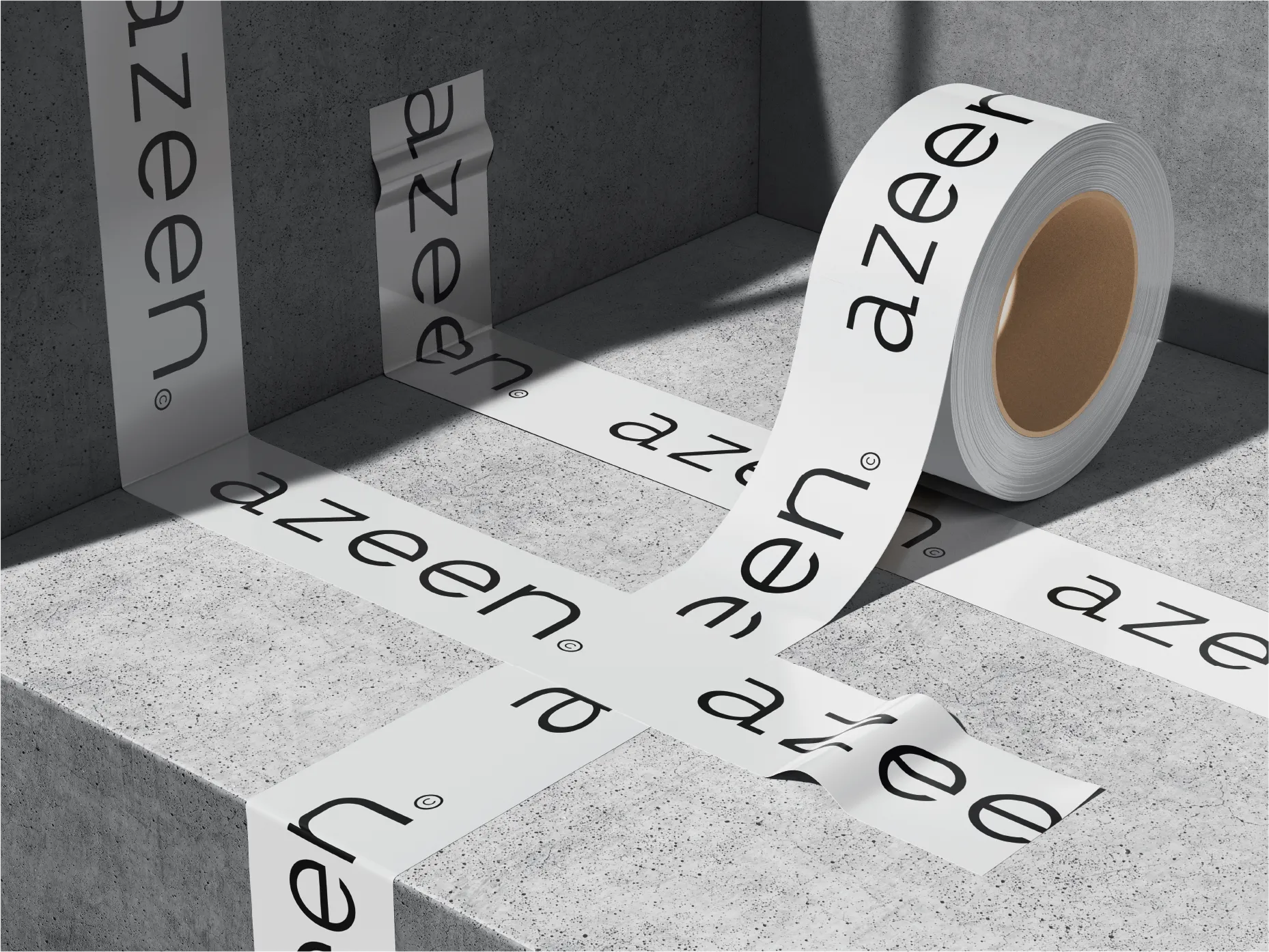
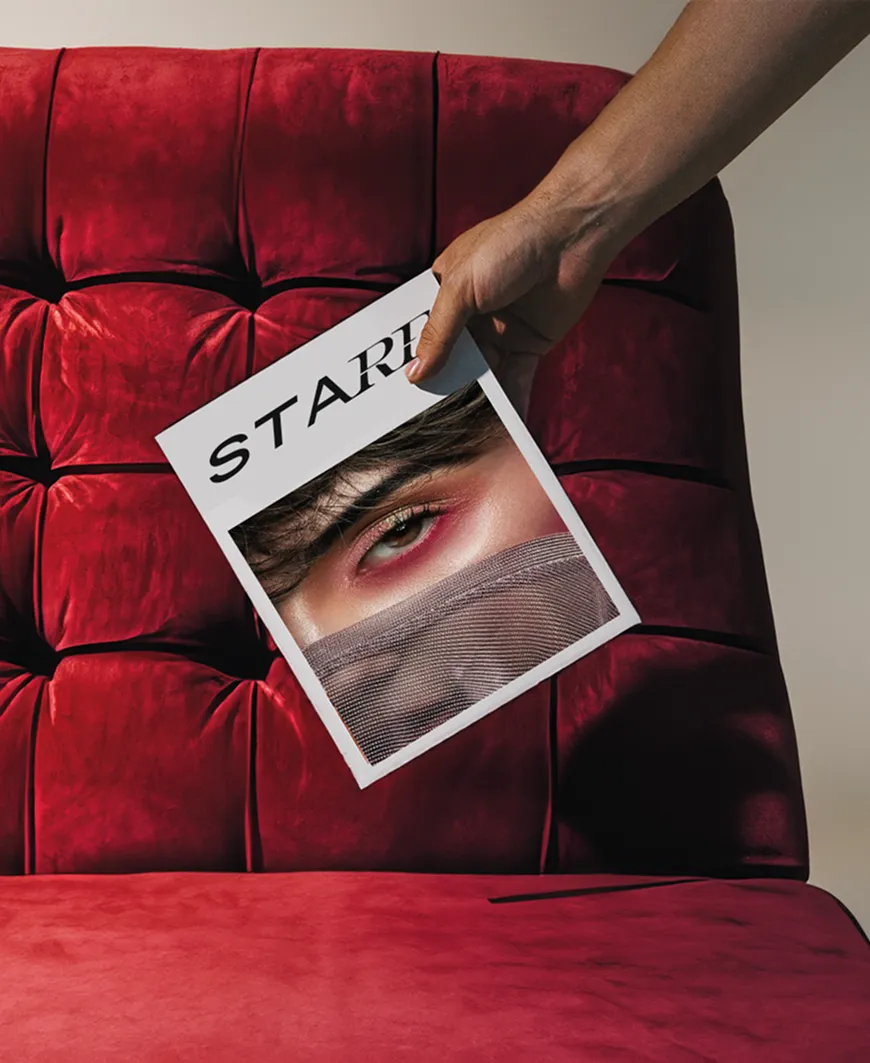
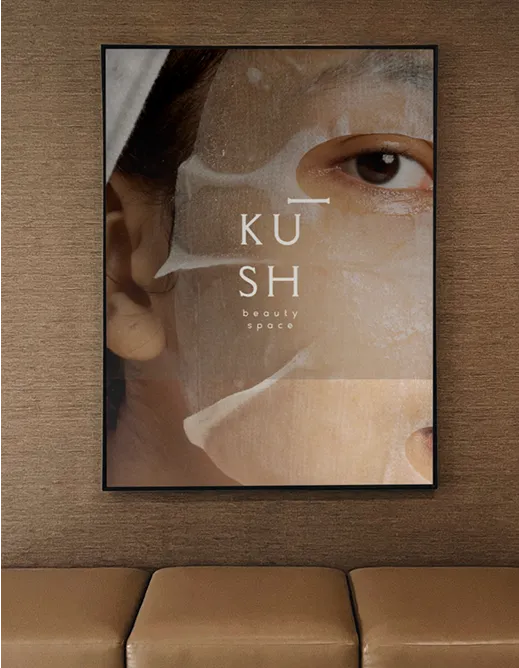
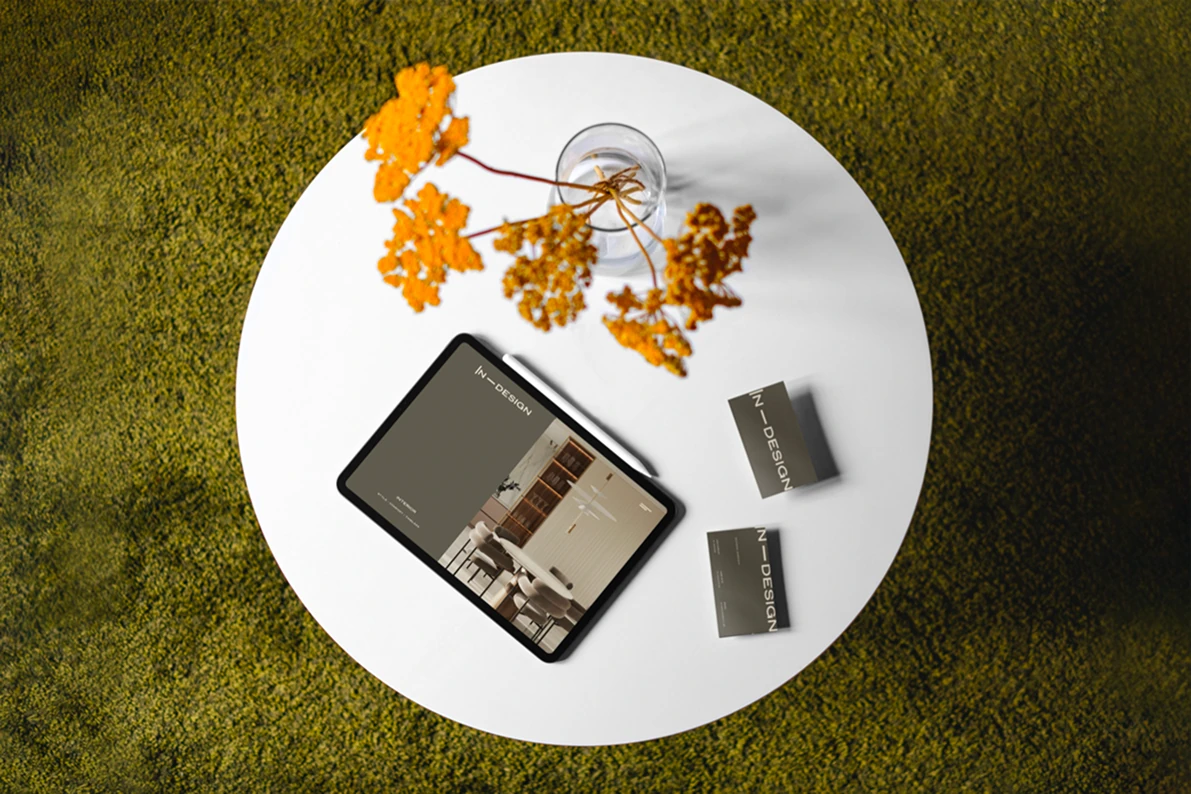
An identity exists in context, not in isolation. We create mockups showing the identity applied to real-world touchpoints: business cards, letterheads, social media templates, website layouts, signage, packaging — whatever is relevant to the brand. This helps clients visualise the system in action and validates that the design works across different scales and media.
Phase 5: Guidelines and Delivery
The final phase is documentation. We compile everything into a brand guidelines document — a clear, practical reference that enables anyone to apply the identity correctly. All design files are organised and delivered in production-ready formats. The result is a complete toolkit that the brand can use independently from day one.
Why Invest in Brand Identity
Brand identity is not a luxury — it is infrastructure. Like a building's architecture determines how space is used, brand identity determines how a business is perceived. The investment pays for itself in several ways:
- Consistency reduces costs. Without a system, every new asset requires design decisions from scratch. With an identity, production becomes faster and cheaper because the rules already exist.
- Recognition drives revenue. Consistent brands are 3.5 times more visible to customers. When people recognise your brand instantly, marketing works harder with less spend.
- Trust accelerates decisions. Professional, consistent visual presentation signals competence. Customers choose brands that look like they know what they are doing — especially in premium and luxury markets.
- Scalability enables growth. A brand identity is a system that scales. New products, new markets, new team members — the identity provides the framework for everything.
Brand Identity for Startups vs Established Businesses
Startups and established businesses approach brand identity from different positions, and the design process adapts accordingly.
Startups are building from scratch. There is no existing brand equity, no customer expectations, no legacy assets. This freedom allows bolder creative choices. However, startups also face constraints: limited budgets, evolving business models, and the need to move quickly. We design startup identities to be strong enough to establish credibility but flexible enough to evolve as the business discovers its true market position. A strategic brand name often accompanies this process.
Established businesses carry history. Rebranding or refreshing an identity means managing transition — preserving what customers recognise while modernising what no longer serves the brand. The design process starts with an audit: what works, what causes confusion, what has become outdated. The goal is evolution, not revolution, unless the strategic situation demands a complete departure.
Brand Identity in Tallinn and the Nordic-Baltic Market
Estonia sits at a cultural crossroads between Scandinavia, the Baltics, and Eastern Europe. Brands based in Tallinn often serve customers across multiple cultures and languages simultaneously. This creates specific requirements for brand identity:
- Visual systems must work across Estonian, Russian, English, and Finnish — languages with different typographic characteristics and text lengths.
- Nordic design values — minimalism, functionality, restraint — resonate strongly in the Estonian market but must be balanced with warmth and personality to avoid feeling cold or generic.
- Small-market dynamics mean brands encounter each other frequently. Differentiation is not optional — it is survival.
We understand these dynamics because we work from Tallinn and design for this market every day. Our identities are built for multilingual, multi-cultural contexts from the start.
Investment and Pricing
Brand identity projects at bf agency are structured into clear tiers based on scope:
- Essential Identity (1,500 – 3,000€) — Logo system, colour palette, typography, and basic usage guidelines. Ideal for startups and small businesses establishing their visual foundation.
- Complete Identity (3,000 – 6,000€) — Everything in Essential plus graphic elements, photography direction, brand voice guidelines, extended mockups, and comprehensive brand book. Suitable for growing businesses and premium brands.
- Premium Identity (6,000€+) — Complete system with multiple sub-brands, extensive application design, digital brand portal, and strategic brand architecture. For established companies with complex brand ecosystems.
Every project includes a strategic discovery phase and a brand guidelines document. We also offer web design and website development as natural extensions of the identity work — ensuring the digital presence is fully aligned with the visual system.
Frequently Asked Questions
How many logo concepts will I see?
We present 2 to 3 visual directions during the concept phase. Each direction includes preliminary logo explorations, colour territories, and typographic approaches. After selecting a direction, we refine and develop the chosen concept into a complete system.
Can I use the brand identity files immediately?
Yes. All files are delivered in production-ready formats: SVG and PDF vectors for print and digital, PNG rasters in multiple sizes, font files or links, colour specifications in all relevant formats, and organised folders ready for your team or external partners to use.
Do you work with businesses outside Estonia?
Absolutely. While we are based in Tallinn, we work with clients across the European Union and beyond. Our process is fully remote-compatible, with structured feedback rounds that work across time zones. We have designed identities for brands in Portugal, Germany, Finland, and other European markets.
What if my business changes direction after the identity is created?
A well-designed identity is built to flex. Business evolution is expected — the identity should accommodate new products, new markets, and shifting positioning without requiring a complete redesign. If significant strategic changes occur, we offer identity refinement projects at reduced rates for returning clients.
How does brand identity connect to website design?
The brand identity defines the visual rules; the website applies them to a digital experience. When both are designed by the same team, the website becomes a natural expression of the identity — not a separate design exercise. We often combine brand identity and web design projects for this reason.